
If you’ve been paying attention to what passes for culture these days, you’ve probably seen two extremes in parenting. One allows for feral children who run wild with little to no supervision, and the other, a less extreme variant, often comes from GenX parents who grew up in the 1970s and 80s in a far different era. Many of these folks believe and are quite vocal about modern parents ruining their kids by not allowing them agency.
These are parents who give their kids a lot of leeway and keep them on a “long leash”. Often, they think more protective parents are “helicopter parents”; they say things like, “You’re coddling them”, “You’ve got to let them make mistakes”. To an extent, they’re right; kids need to learn from their mistakes, but every environment needs to be conducive to that. To the extent the environment isn’t, you opt them out. You make the decision you expect them to make for themselves later on when they possess better discernment. But you also talk to them about why we did what we did.
New York magazine ran a piece by Kathryn Jezer-Morton called The Fantasy of the Free-Roaming Child, and to her credit, she gets it right—unlike most cultural critics, she isn’t blaming moms and dads.
Instead of pointing fingers at parents for being nervous wrecks, she defends them. She exposes the absurdity of critics who act like a “free-range” childhood is just a simple lifestyle choice you can pick off the shelf. Anyone actually trying to raise a family right now knows that the physical, social, ethical, and legal infrastructure to support that kind of freedom has been completely bulldozed. Not all parents who “hover” are doing it because they want to micromanage; they’re reacting rationally to a world that leaves them few safe alternatives.
The Neighborhood Isn’t What It Used to Be
Back in the 1970s and ’80s, we had plenty of unsupervised time. We wandered the neighborhood, built things, got into trouble, and figured things out. We learned how to handle ourselves. Sure, there were risks, but the community tolerated it. It was considered normal life.
Today? The moment you let an 8-year-old walk down the street, busybody neighbors with a Ring camera or a cell phone are ready to call child services or dial 911. The social fabric that once allowed for, and put up with, active kids has been torn apart. The social penalty for letting your kid out of sight is massive today, in large part, because of feral kids. They cannot be trusted; therefore, yours will always be viewed with suspicion by the busybodies. That’s our current situation.
Romanticizing “free-range” childhood completely ignores peer risk. Letting kids roam in modern public spaces means throwing them right into the middle of unmonitored peer influences and cultural garbage that most intentional parents want no part of.
It’s not easy to “opt out” of a broken system, when others don’t see the problems within that system. If the local setup is hostile and the surrounding culture is toxic, telling parents to “stop hovering” is gaslighting. Scripture tells us it’s foolish to walk right into a trap: “A prudent man foresees evil and hides himself, but the simple pass on and are punished” (Proverbs 22:3).
Escaping to the Country Is a Luxury
For a long time, the obvious way out of this trap was moving out to the country. If you’ve got acreage, low traffic, and natural buffers, your kids can actually run around without dodging cars or busybodies. The risks shift from dangerous traffic and strangers to things like poison ivy or property lines, all much easier to manage.
That was our choice, but let’s be honest: packing up and buying acreage isn’t easy. It takes capital, career flexibility, the patience for a commute, or the option for remote work. Many families below a certain financial threshold find themselves stuck in tight subdivisions or urban areas, and that door is shut. For them, keeping the kids close isn’t just a parenting style for them; it’s the only safe, legal option left.
As the writer of Ecclesiastes notes, wisdom and shelter have real value, but they require the means to get them: “Wisdom is good with an inheritance, and profitable to those who see the sun. For wisdom is a defense as money is a defense, but the excellence of knowledge is that wisdom gives life to those who have it” (Ecclesiastes 7:11-12).
Homeschooling and Drawing a Hard Line
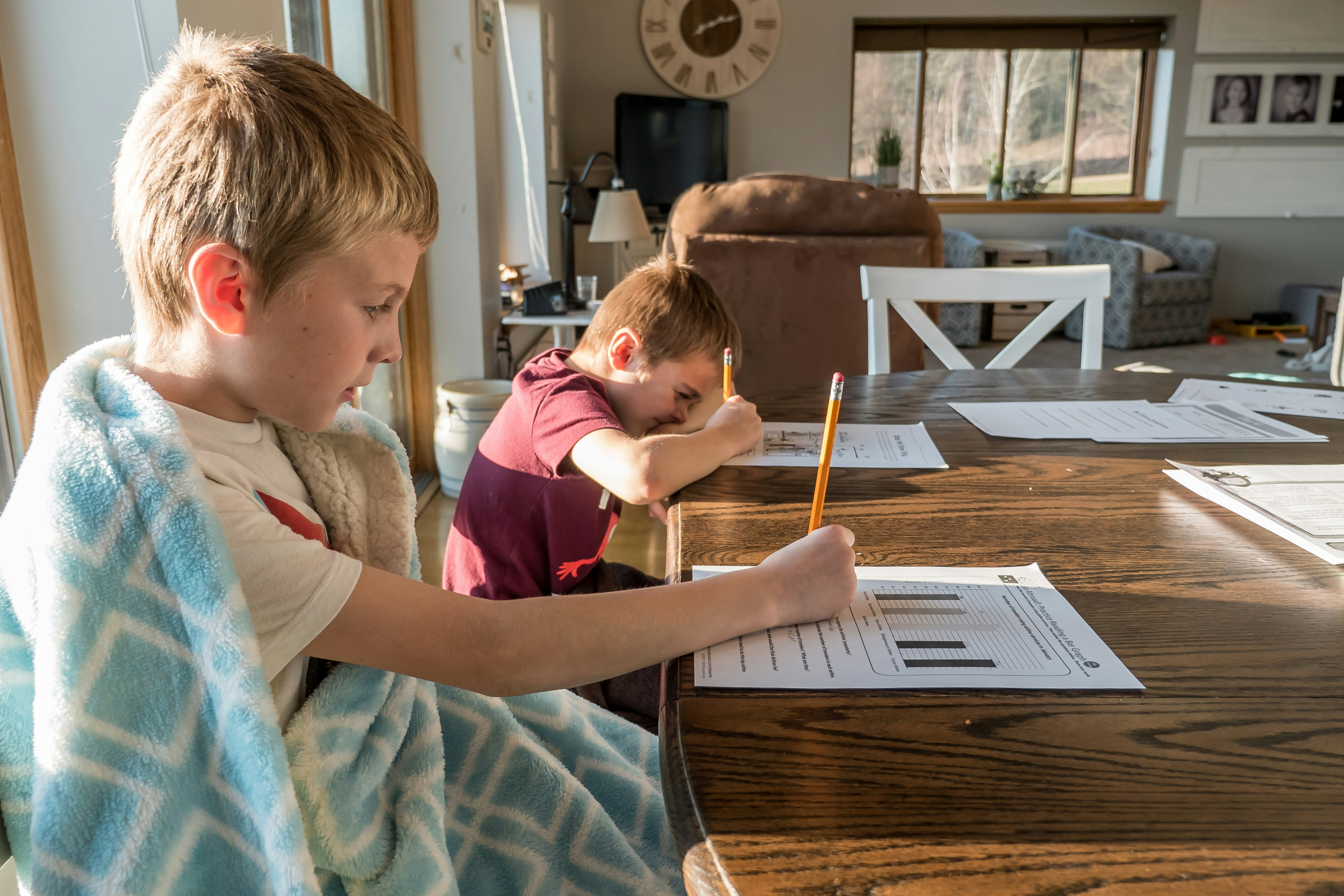
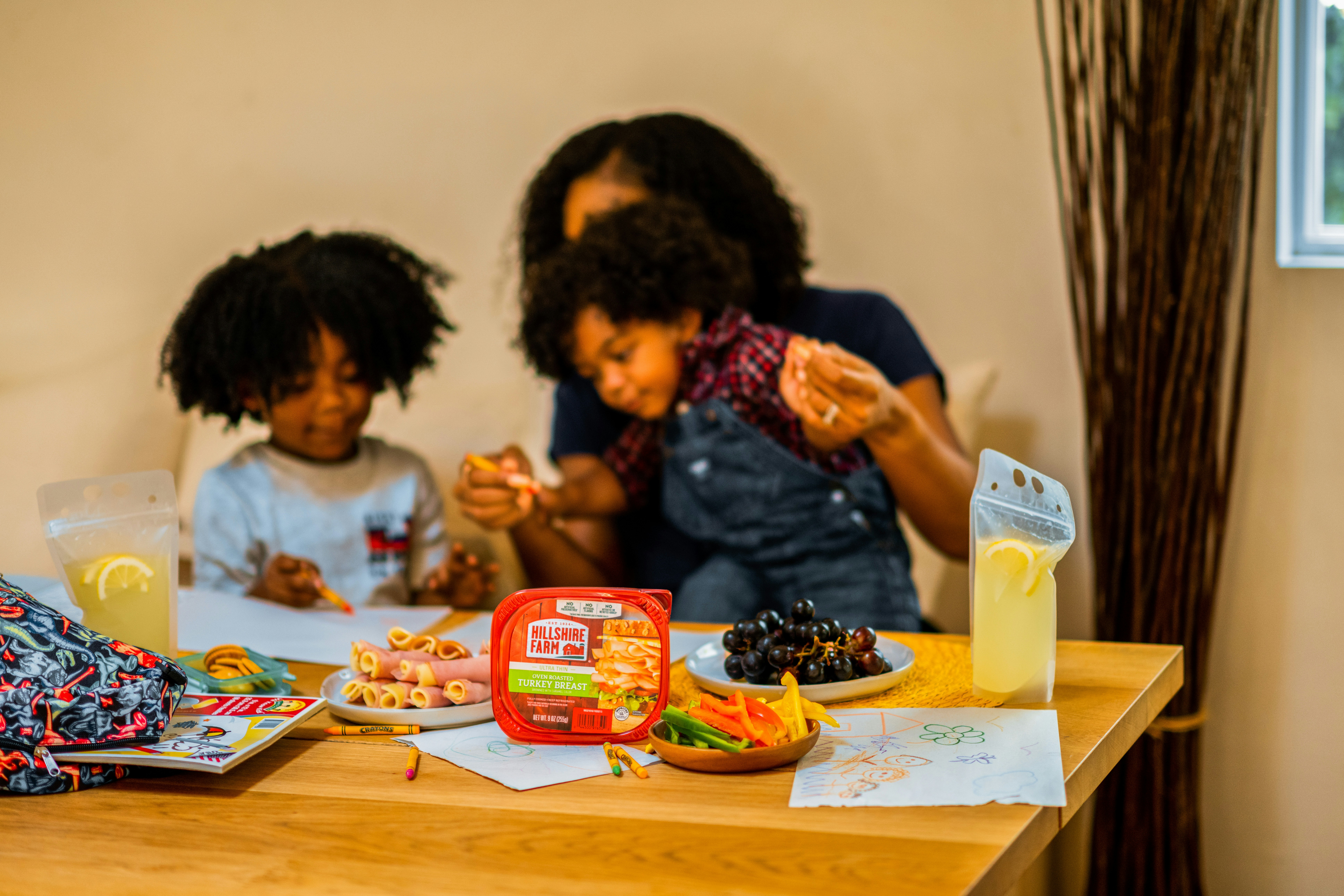
When you’re stuck between hostile public spaces and the high cost of a rural escape, intentional families have to draw a hard line. That’s a huge reason homeschooling has exploded.
Parents are realizing that education and environment are tied together. You can’t hand your kids over to an institutional factory and expect them to come out grounded. And even traditional sanctuaries, like local church youth groups, often fail as a buffer anymore—they frequently end up acting as a catch-all social hub for public school kids who bring all that secular baggage right through the doors.
Protecting kids from bad influences takes active, intentional separation. As Paul warns us, “Do not be deceived: ‘Evil company corrupts good habits’” (1 Corinthians 15:33), and Proverbs echoes that “He who walks with wise men will be wise, but the companion of fools will be destroyed” (Proverbs 13:20).
The Flip Side: When Lack of Guidance Turns Dangerous
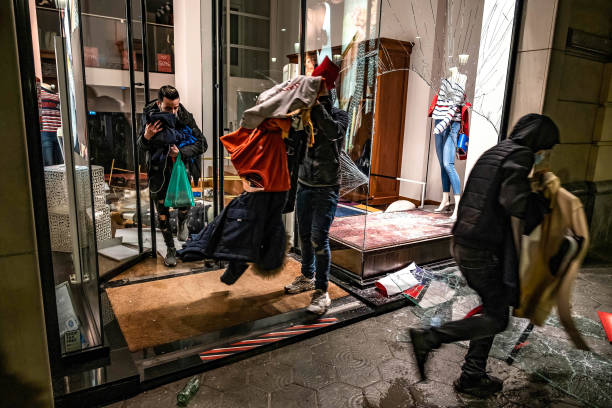
Now, let’s be clear about something, because there’s a flip side to this whole conversation that nobody wants to touch. While the cultural critics love to lecture cautious parents, they completely ignore the other extreme: the very real, very present danger of parents who are letting their kids run completely wild—minus any foundational ethics, discipline, or moral anchoring.
When you abandon parental oversight entirely without instilling a conscience or a respect for others, “free-roaming” stops looking like a nostalgic 1980s adventure and starts looking like total social decay. That’s how you get suburban streets and city malls overrun by unmonitored flash mobs and violent teen takeovers, leaving destruction, fear, and public danger in their wake. This is a topic worth breaking down all on its own soon, because the contrast between intentional protection and reckless neglect couldn’t be more obvious.
What It Really Comes Down To
Raising kids isn’t about fitting into whatever trendy parenting style the mainstream is pushing this week, whether media or parenting circles.
Kids deserve a protected, grounded upbringing. Instead of rolling the dice on public institutions or modern peer culture where standards have completely eroded, the priority is building a strong, protective boundary around the family, heeding the call to “Train up a child in the way he should go, and when he is old he will not depart from it” (Proverbs 22:6).
Commentators who lecture parents about “helicopter parenting” are completely out of touch with reality. True autonomy requires a safe environment, which doesn’t just magically exist in a hostile neighborhood. When the wider culture is a mess, trying to “fix” or navigate a broken system is a waste of time. You keep your kids close, preserve family values under your own roof, and shield them from outside influences that don’t share your commitment, living out the command that “these words which I command you today shall be in your heart. You shall teach them diligently to your children, and shall talk of them when you sit in your house, when you walk by the way, when you lie down, and when you rise up” (Deuteronomy 6:6-7).
Parenting in this era isn’t about satisfying external critics. It’s about taking full responsibility for your family’s environment and making sure your kids grow up with stability, safety, and a solid moral foundation.